

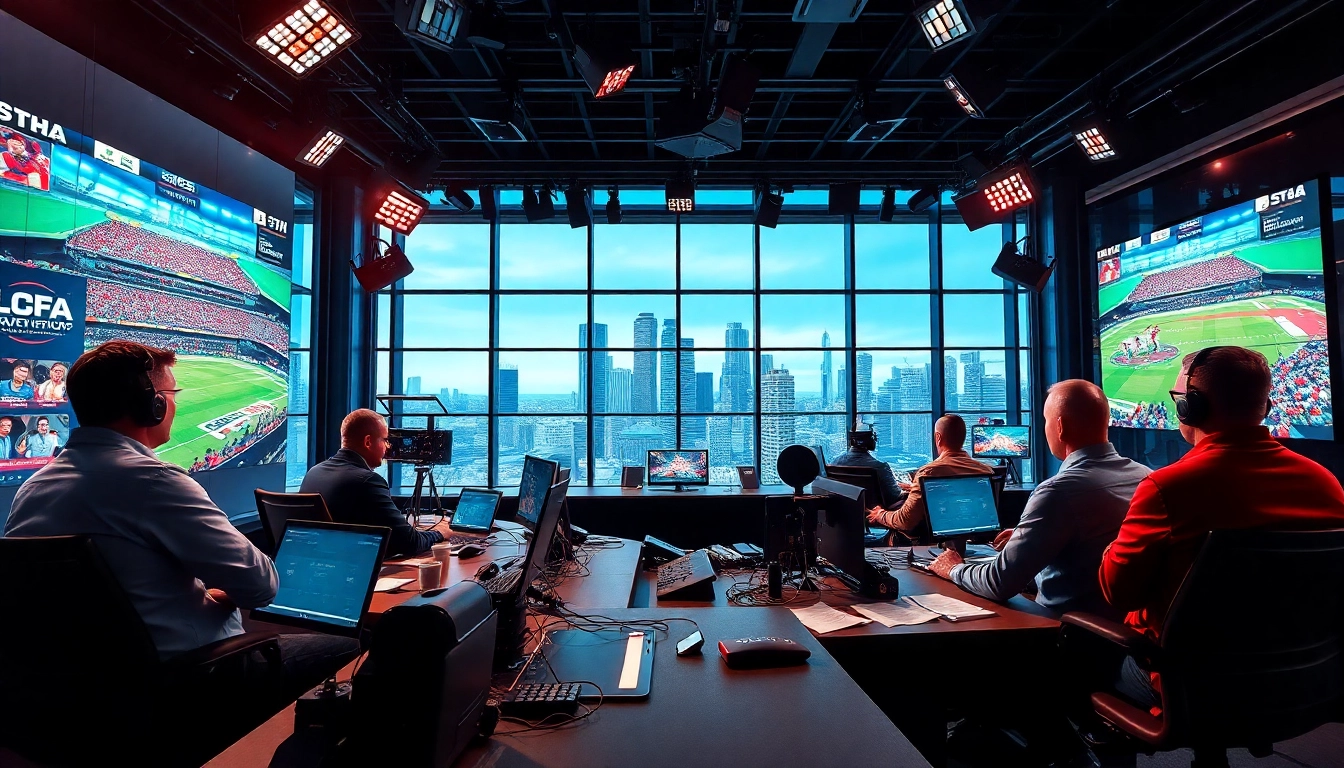
Understanding the Landscape of Sports Broadcasting
In the realm of entertainment, few genres capture the audience’s heart as passionately as sports. The phenomenon of Sports Broadcasting includes a diverse range of mediums that deliver live or recorded sports events to viewers across the globe. From traditional television to digital streaming platforms, the sports broadcasting landscape encompasses a rich tapestry of history, business models, and technological innovations. This article delves deep into the various elements that constitute sports broadcasting, providing insights into its evolution, key players, essential equipment, branding strategies, performance analytics, and the myriad challenges faced by broadcasters in today’s fast-paced environment.
The Evolution of Sports Broadcasting
The origins of sports broadcasting date back to the early 20th century, when radio first transmitted live sports commentary. By the mid-1900s, television had taken center stage, providing a visual aspect that radio could not replicate. Major historical milestones include the first televised baseball game in 1939 and the birth of sports cable networks in the 1980s, which revolutionized how fans accessed content.
Fast forward to the 21st century, the advent of the internet has transformed the landscape dramatically. Streaming platforms allow viewers to engage with sports content anytime, anywhere, requiring broadcasters to adapt to new consumption habits. Today, sports broadcasting not only includes live game coverage but also features on-demand content, highlights, documentaries, and interactive viewer experiences.
Key Players in the Industry
In the multifaceted world of sports broadcasting, several key players contribute significantly. These include:
- Networks: Major television networks continue to hold substantial broadcasting rights for popular sports leagues and events, securing lucrative advertising deals and sponsorships.
- Streaming Services: Platforms like Netflix, Hulu, and specialized sports services are increasingly investing in sports content to attract subscribers and compete with traditional networks.
- Teams and Leagues: Sports organizations are now engaging directly with fans through their own broadcasting channels, providing exclusive content and engaging experiences to build loyalty.
- Technology Providers: Companies offering advanced broadcasting technology—including graphics and analytics solutions—are crucial for delivering high-quality viewing experiences.
Current Trends Affecting Sports Broadcasting
Several trends are reshaping sports broadcasting today:
- Streaming Dominance: As consumers gravitate toward viewing content on their own terms, traditional broadcasters must adapt to streaming services that offer flexibility and convenience.
- Enhanced Viewer Engagement: Interactive features, such as live polls and social media integration, are becoming staples during broadcasts, allowing fans to interact in real-time.
- Data-driven Broadcasting: The increased availability of analytics is transforming how broadcasts are produced and presented, providing insights to improve viewer engagement and satisfaction.
- High-definition and Augmented Reality: Technological advances are enabling super high-definition broadcasts and augmented reality graphics that enrich the viewer experience.
Essential Equipment for Successful Sports Broadcasting
The success of any sports broadcast is heavily reliant on the quality of equipment utilized. From capturing the action to delivering crystal-clear audio, investing in the right tools is paramount.
Cameras and Audio Equipment
Professional-grade cameras are essential in sports broadcasting, providing high-resolution footage that is both sharp and vibrant. Here are some types of cameras frequently used:
- Studio Cameras: Ideal for in-studio segments, they provide excellent quality but require a controlled environment.
- Robotic Cameras: Often used in venues to capture events without human presence, providing flexibility in positioning.
- Cinematographic Cameras: Beneficial for producing cinematic-quality footage, suitable for highlight reels and promotional materials.
Audio equipment also plays a crucial role, particularly in delivering commentary and sideline reports. Key audio tools include:
- Directional Microphones: These capture sound from specific directions, reducing background noise.
- Wireless Microphones: Often used by commentators and athletes during interviews, providing mobility and reducing cable clutter.
Broadcasting Software Overview
Software solutions serve as the backbone of sports broadcasting, facilitating everything from video streaming to live editing and graphics integration. Key categories of broadcasting software include:
- Video Editing Software: Essential for pre- and post-production tasks, allowing editors to compile highlights and create promotional materials.
- Live Streaming Platforms: Software that helps broadcasters distribute content across multiple channels in real-time.
- Graphics Engines: Used to create on-screen graphics and animations that enhance the viewer experience.
Establishing a Broadcast Setup
A successful sports broadcasting setup requires careful planning and organization. Key components include:
- Location: Whether it’s a studio or an outdoor venue, the site must accommodate all necessary equipment and have good internet connectivity.
- Networking: A robust networking infrastructure is crucial for reliable communication between devices, especially in live settings.
- Test Runs: Conducting dry runs before the actual broadcasting can help identify potential issues and ensure a smooth live experience.
Building a Sports Broadcasting Brand
Establishing a memorable sports broadcasting brand is essential for attracting an audience and retaining viewership in a competitive environment.
Identifying Your Audience
Understanding your audience is the foundation of a successful broadcasting strategy. Conducting audience research can help identify demographics, preferences, and viewing habits. Key questions to ask include:
- What age group is most likely to engage with your content?
- Which platforms do they prefer for consuming sports content?
- What kind of sports or events are they most enthusiastic about?
By answering these questions, broadcasters can tailor their content to meet the specific interests of their target audience.
Create Compelling Content Strategies
Creating engaging content is pivotal in sports broadcasting. Here are some strategies to consider:
- Highlight Reels: Feature the most exhilarating moments from games, keeping fans excited about the sport.
- Behind-the-Scenes Content: Offers audiences an intimate look at teams, players, and the business side of sports.
- User-Generated Content: Encourage fans to share their experiences, which can create a sense of community and connection.
Utilizing Social Media for Engagement
Social media has become an indispensable tool for sports broadcasters, offering a platform for real-time engagement and promotion. Best practices include:
- Live Updates: Share live commentary, statistics, and news to keep fans informed during games.
- Interactive Polls: Engage your audience with questions related to events, team performance, or player predictions.
- Highlight Sharing: Post short video clips from games on platforms like Twitter, Instagram, and TikTok to attract viewers.
Analytics and Performance in Sports Broadcasting
In an age driven by data, analyzing performance metrics is crucial to success in sports broadcasting.
Measuring Audience Engagement
Tracking audience engagement helps broadcasters to assess content effectiveness and viewer interest. Metrics to monitor include:
- Viewership Numbers: Track how many people are watching live broadcasts, as well as on-demand content.
- Social Media Interactions: Posts that receive likes, shares, and comments reveal how well content resonates with the audience.
- Watch Time: Understand average viewing duration to gauge how well content keeps the audience engaged.
Essential KPIs for Sports Broadcasting
Key Performance Indicators (KPIs) allow broadcasters to measure success based on their strategic goals. Critical KPIs include:
- Reach: The number of unique viewers who engage with content, indicating brand recognition.
- Engagement Rate: The level of interaction from viewers, showing how compelling content is.
- Conversion Rate: Understanding how many viewers take specific actions, such as signing up for newsletters or purchasing merchandise.
Using Data to Improve Content
Data-driven insights play a fundamental role in refining content strategies. By analyzing viewer preferences and behaviors, broadcasters can:
- Tailor programming to align with audience interests.
- Adjust marketing strategies based on viewer engagement trends.
- Implement changes in real-time to enhance the viewer experience during live broadcasts.
Challenges in Sports Broadcasting and Solutions
Despite its exciting nature, sports broadcasting faces various challenges. However, understanding these obstacles can pave the way for effective solutions.
Adapting to Technological Changes
The rapid evolution of technology necessitates that broadcasters stay ahead of trends and innovations. Adopting a flexible technological strategy can involve:
- Regularly updating equipment and software to leverage new features.
- Investing in training and development for staff to keep pace with changes.
- Exploring emerging technologies such as VR and AR to enhance viewer experiences.
Monetization Strategies for Broadcasters
As audiences shift towards streaming services, traditional monetization practices may not suffice. Broadcasters need to diversify revenue streams through:
- Sponsorships and Partnerships: Collaborate with brands that resonate with your audience to enhance revenue.
- Subscription Models: Consider offering premium content for a fee, attracting dedicated sports fans.
- Advertising Innovations: Embrace programmatic advertising to maximize ad revenue based on viewer data.
Compliance with Regulations and Rights Management
Understanding and adhering to legal obligations is crucial in sports broadcasting. Broadcasters should focus on:
- Familiarizing themselves with copyright laws related to content usage.
- Establishing clear rights management protocols for handling broadcasts and syndication.
- Engaging legal counsel to navigate complex licensing agreements effectively.
Frequently Asked Questions
What is Sports Broadcasting?
Sports broadcasting involves live or recorded transmission of sports events through various media platforms, such as television, radio, and online streaming.
How can I start a career in Sports Broadcasting?
To start a career in sports broadcasting, you can pursue a degree in communications or journalism, and gain experience through internships or local radio and TV stations.
What technologies are used in Sports Broadcasting?
Sports broadcasting utilizes cameras, microphones, broadcasting software, video editing tools, and live streaming technologies to deliver content to audiences.
How can social media enhance Sports Broadcasting?
Social media enhances sports broadcasting by facilitating real-time engagement, allowing broadcasters to interact with fans, share highlights, and promote events.
What legal considerations should broadcasters keep in mind?
Broadcasters must comply with copyright laws, broadcasting rights agreements, and regulations set by governing bodies to avoid legal issues.